
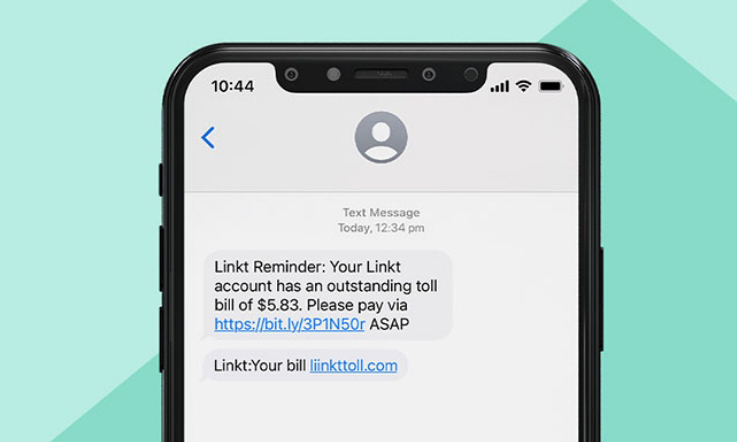
Tech Giants Target Global ‘Smishing Triad’ Behind Fake Toll And Delivery Text Scams
A sprawling cybercrime network selling turnkey tools for text message scams has become the focus of a new legal and technological crackdown, as Google launches a lawsuit against alleged members of a so called “smishing triad” believed to operate largely from China.
The group is accused of powering a surge in fraudulent SMS messages that impersonate postal services, banks, toll operators and government agencies, tricking victims into handing over credit card details and login credentials. Security researchers say its infrastructure has been used in at least 121 countries and may have helped criminals steal billions of dollars.
Smishing, short for SMS phishing, has grown rapidly as email spam filters have improved. Fraudulent texts promising parcel redelivery, warning of unpaid road tolls or offering surprise tax refunds have become a routine nuisance for mobile phone users worldwide. Behind a significant share of those messages, investigators say, sits a commercial ecosystem that packages scam infrastructure as a paid subscription.
Inside the ‘smishing as a service’ model
The criminal operation that researchers call the smishing triad does not usually target consumers directly. Instead, it markets software kits and services that allow low skill fraudsters to run their own campaigns. For a monthly fee of around 200 US dollars, a customer can access tools that automatically create convincing phishing websites, manage stolen data and support mass texting.
The most prominent kit identified to date is a program known as Lighthouse. Sold openly on Chinese language Telegram channels and advertised on YouTube before accounts were shut down, Lighthouse provides a dashboard where users select a brand to impersonate, such as a bank or payment platform, or generate an entirely fake online store.
Once a phishing page is live, buyers can use the same Telegram networks to purchase contact lists from data brokers, then hire specialist spammers to blast out messages. Those spammers may use racks of stolen smartphones overseas or portable SMS blaster devices that mimic cell towers and send texts to every phone in range.
Security firms estimate that some of these fraudulent sites receive at least 50,000 visits a day. One study cited by researchers indicated that up to 17 per cent of participants were at risk of falling for a simulated smishing attempt, underscoring how effective the messages can be despite obvious spelling errors or clumsy phrasing.
How Lighthouse steals and launders data
Once a victim taps a link and begins typing payment details into a fake form, the Lighthouse software can capture the information in real time, even if the user never presses a submit button. If multi factor authentication is in place, the one time passcode can also be intercepted and recorded.
The platform is designed to assess whether a card comes from a bank with weaker digital protections. If not, it can prompt the victim to try another card. Stolen card data is then loaded into digital wallets and onto batches of smartphones, with multiple cards assigned to each device. These phones can be sold in bulk, allowing launderers to spend the funds by routing purchases through sham merchants and fabricated online transactions.
Cybersecurity experts say this level of automation and specialisation represents a significant shift. Where criminals once needed to master every step of the fraud cycle themselves, they can now subscribe to modular services that handle website spoofing, hosting, data theft, bulk messaging and laundering.
Recent developments have added another layer of sophistication. Generative artificial intelligence is increasingly used to write more convincing, personalised texts that draw on leaked personal data and can imitate a victim’s bank, employer or service provider in their own language and tone.
Sloppy security, serious damage
Despite the scale of the enterprise, the triad’s operational security has shown surprising weaknesses. Researchers have found administrative panels with default usernames and passwords, tutorial videos that accidentally reveal email addresses and screenshots that expose internal tools.
In one high profile incident, a cybersecurity professional who examined a fake United States Postal Service phishing page discovered vulnerabilities that allowed access to an underlying database. He reported that he could see details for hundreds of thousands of compromised credit cards, which were then passed on to banks and authorities.
Investigations by independent researchers and corporate security teams eventually helped Google trace Lighthouse and related kits to specific online identities and communication channels. Although the true names of the suspects remain unknown, the company says it has linked dozens of accounts and services to individuals and entities based in China.
Google’s lawsuit and the limits of enforcement
Google has now filed suit against 25 named defendants it claims are involved in running or profiting from the smishing triad. The company alleges that its trademarks, including those of Gmail and YouTube, have been repeatedly misused in phishing campaigns, and that its platforms have been exploited to advertise and coordinate scam services.
Industry specialists view the case as a potential turning point. A successful ruling could allow Google and possibly other firms or government agencies to seek court orders compelling hosting providers, registrars and telecom companies to take down associated websites, servers, accounts and IP addresses at scale.
Major players such as Google, Apple, Visa and others have already been rolling out stronger anti phishing measures and spam controls. Google has also voiced support for several proposed United States laws targeting digital scammers, which could further strengthen enforcement options.
However, experts caution that legal action alone will not dismantle the smishing ecosystem. The suspected operators are likely outside United States jurisdiction, meaning that physical arrests would require cooperation from foreign authorities. At the same time, new phishing kits are constantly emerging as developers copy and refine existing tools.
Security analysts describe the situation as an industrialised arms race. As companies and law enforcement agencies close off one channel, criminals adapt their tactics, harden their software against analysis and shift infrastructure to new locations or services.
For now, smishing is expected to remain part of the digital landscape. While better filters, regulations and takedowns may reduce the volume and impact of scam texts, specialists say that a fully comprehensive solution is unlikely. Consumers, they argue, will need to continue treating unexpected texts that request personal or financial information with extreme caution.
Photo Credit: DepositPhotos.com