
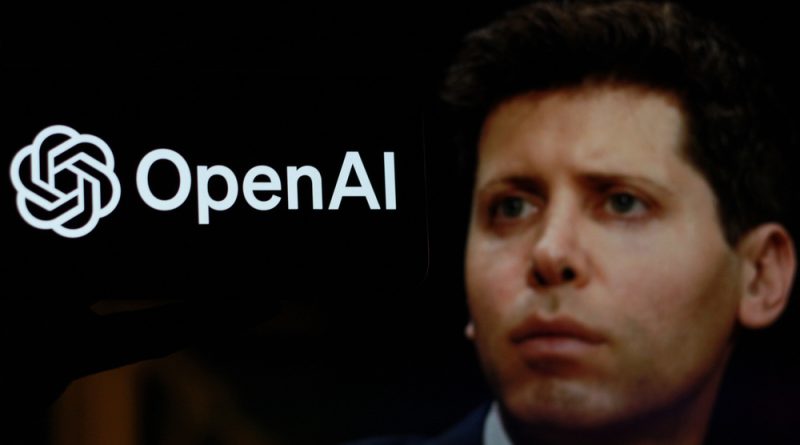
OpenAI Declares ‘Code Red’ as Competitive Pressure Intensifies in the AI Race
OpenAI has shifted into its most urgent operational mode after declaring a companywide “code red” effort to strengthen ChatGPT, signalling escalating pressure from rapidly advancing rivals. The internal directive, delivered by CEO Sam Altman in a memo to staff, outlines an immediate refocus of resources toward improving the chatbot’s core experience while delaying several upcoming product initiatives.
A Strategic Reallocation Toward ChatGPT
According to the memo, OpenAI will concentrate on enhancing ChatGPT’s personalization tools, speed and reliability, as well as its ability to handle a broader range of queries. Teams across the company have been asked to prioritise these upgrades, with temporary staff transfers encouraged to accelerate progress. Daily coordination calls have also been introduced to unify efforts.
This renewed focus comes as the company grapples with user feedback following the August release of GPT-5, which many described as less responsive and less intuitive. A subsequent update improved tone and instruction-following, but internal assessments indicate that more work is required to maintain user satisfaction.
Rising Competition from Google and Anthropic
Altman’s directive underscores mounting concern about the pace of innovation at Google, whose latest Gemini model has outperformed OpenAI’s benchmarks and driven a sharp increase in uptake. Google’s user base has expanded significantly, buoyed by releases such as its Nano Banana image generator, soaring from 450 million to 650 million monthly users in just three months.
Anthropic, another major competitor, continues to strengthen its reputation among enterprise customers, heightening pressure across the AI landscape.
OpenAI’s substantial infrastructure commitments add to the urgency. The company is tied to hundreds of billions of dollars in future data-centre investments, and its financial projections indicate that revenues would need to reach around $200 billion by 2030 to become profitable. Unlike Google, which can fund innovation from enormous cash flows, OpenAI remains reliant on continuous rounds of outside funding.
Projects Paused as Attention Narrows
The code-red declaration means several high-profile initiatives—including advertising products, specialised AI agents for health and shopping, and a personal digital assistant known as Pulse—will now be pushed back. The aim is to channel energy into maximising ChatGPT’s performance and retaining its edge among more than 800 million weekly users.
Team leaders say the chatbot’s growth remains strong, and OpenAI continues to lead in several advanced research areas. A new reasoning model set for release next week is reportedly performing ahead of Google’s latest Gemini version, providing some reassurance amid the heightened urgency.
The Stakes Behind the Shift
OpenAI has previously issued lower-level alerts, including a “code orange” earlier this year. However, the escalation to red reflects a recognition that the competitive gap is narrowing quickly. It also highlights the delicate balance OpenAI must strike between ensuring safety constraints and offering a flexible, engaging system that meets user expectations.
As the global AI race accelerates, OpenAI’s latest move signals a decisive effort to protect its position at the forefront of consumer-facing AI. With new models, expanded capabilities and renewed focus imminent, the coming weeks will determine whether the code-red pivot can reinforce its lead amid unprecedented competition.
Photo Credit: DepositPhotos.com