
Iran-Linked Hacktivist Group Claims Cyberattack on U.S. Medical Technology Firm
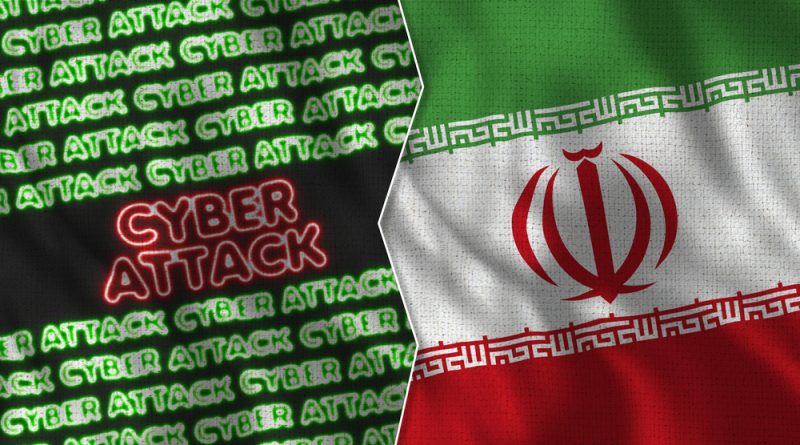
An Iran-linked hacker group has claimed responsibility for a cyberattack on U.S. medical technology giant Stryker Corporation, saying the breach was carried out in retaliation for the bombing of a school in the Iranian city of Minab. The incident, which disrupted internal systems across the company, is being viewed by analysts as a sign that geopolitical tensions in the Middle East are increasingly spilling into the cyber domain.
The hacker collective known as Handala announced the operation online on Wednesday, stating it had successfully infiltrated Stryker’s digital infrastructure and triggered “global disruption” across its systems. The group claimed the attack was a response to what it described as the “brutal attack on the Minab school” and part of a broader cyber confrontation involving the so-called “Axis of Resistance”.
Stryker, which is headquartered in Michigan and manufactures a wide range of medical devices used in hospitals around the world, confirmed that a cybersecurity incident had impacted its internal systems. According to the company, thousands of employees using Microsoft-based platforms experienced disruption as a result of the breach.
In a statement addressing the incident, the company said the attack was expected to continue affecting operations for some time. Stryker warned that employees and internal processes may experience “disruptions and limitations of access to certain of the Company’s information systems and business applications”, adding that a full restoration timeline remains unclear.
The news quickly rattled investors. Following reports of the attack, Stryker’s share price fell by around three percent as markets reacted to the potential operational and financial implications of the breach.
Cybersecurity analysts say the attack may signal a growing pattern of politically motivated cyber operations linked to tensions in the Middle East. Lee Sult, chief investigator at cybersecurity firm Binalyze, described the incident as “the first drop of blood in the water”, suggesting it could mark the beginning of a wave of cyber activity targeting Western companies.
Sult warned that the escalation could lead to further attacks against American corporate infrastructure, particularly as regional conflicts increasingly intersect with digital warfare.
The hacker group itself issued a statement on social media platform X claiming responsibility for the operation. In its message, Handala said its cyber campaign had been executed “with complete success” and framed the attack as retaliation against cyber actions targeting groups aligned with Iran.
The group also accused Stryker of being a “Zionist-rooted corporation”, although it provided no evidence to support the claim. Handala further alleged that it had wiped thousands of computer systems and mobile devices connected to the company and extracted approximately 50 terabytes of data during the breach.
Stryker, however, disputed some of these claims. The company stated it had found no evidence that ransomware or destructive malware had been deployed within its systems. According to the company’s preliminary investigation, the incident appears to have been contained, though forensic analysis is ongoing.
In a regulatory filing with the U.S. Securities and Exchange Commission, Stryker said the full scope and impact of the cybersecurity event has not yet been determined. The company noted that the operational and financial consequences remain unclear and it has not yet concluded whether the incident will have a material impact on its business.
Cyber threat intelligence firms have been tracking the group behind the attack for several years. According to security company Sophos, the “Handala Hack Team” first emerged in 2023 as an Iranian-aligned hacktivist persona. Since then, it has claimed responsibility for multiple cyber intrusions across energy and infrastructure sectors in the Middle East.
Threat intelligence organisation Intel 471 has reported that the group previously targeted oil and gas companies operating in Israel, Jordan and Saudi Arabia, often framing its actions in ideological and geopolitical terms.
Security experts say the surge in activity by pro-Iranian hacktivist groups may reflect wider strategic objectives by Tehran. Analysts suggest these operations can allow the Iranian government to project influence and retaliate against adversaries while maintaining a degree of plausible deniability.
Intel 471 noted that such cyber activity provides Iran with a way to demonstrate perceived strength during periods when domestic communications networks may be restricted or heavily monitored.
The attack on Stryker, however, represents a notable expansion of these tactics beyond regional targets. By striking a large U.S. healthcare technology company, the operation highlights the potential for geopolitical conflicts to affect global corporations that are not directly involved in military or political disputes.
As investigations continue, cybersecurity specialists are warning that companies operating critical infrastructure or sensitive supply chains could face increasing risks from politically motivated hacking campaigns.
Whether the Stryker breach proves to be an isolated incident or the beginning of a broader cyber escalation remains uncertain. But analysts agree that the attack underscores a growing reality of modern conflict, where geopolitical tensions are increasingly fought not only on physical battlefields but also across digital networks.
Photo Credit: DepositPhotos.com