Shutdown Cripples U.S. Cybersecurity Defenses Amid Rising Global Threats
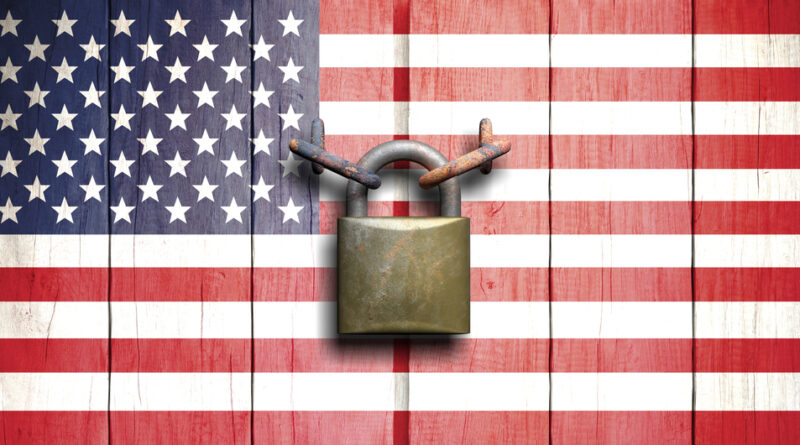
At a time when the United States faces mounting cyber threats from China-backed hackers and increasingly costly ransomware attacks, the country’s lead cybersecurity agency has been gutted by the government shutdown. The disruption leaves vast swaths of America’s critical infrastructure — from the electric grid to water supply systems — more vulnerable just as key legal protections for cyber information-sharing between companies have expired.
CISA Cut to a Third of Its Workforce
The Cybersecurity and Infrastructure Security Agency (CISA), responsible for protecting U.S. critical services from hacking, has furloughed most of its staff. According to planning documents from the Department of Homeland Security (DHS), only 889 employees remain on duty — about 35 percent of its workforce as of May. DHS said additional personnel could be brought in for emergencies, but the cuts are severe at a time of escalating risk.
“CISA remains fully committed to safeguarding the nation’s critical infrastructure,” spokeswoman Marci McCarthy said in a statement. She emphasized that the agency would sustain “essential functions” and provide guidance to minimize disruption, even under shutdown conditions.
Surge in Global Cyber Threats
The timing could hardly be worse. China-linked hacking groups have intensified their campaigns, with some attacks launched without formal approval from Beijing, security experts say. At the same time, ransomware operators continue to hit American businesses, hospitals, and local governments, demanding multimillion-dollar payouts and crippling essential services.
The threat landscape, already precarious, is now complicated by the sudden loss of both personnel and legislative cover for information-sharing.
Expiration of CISA 2015 Law
Equally concerning is the expiration of a decade-old law known as CISA 2015, which allowed private companies to share details of cyberattacks with the government and each other without fear of violating antitrust rules or liability laws.
Both parties in Congress and the White House had supported renewing the law, and it was included in the House’s continuing resolution to avert a shutdown. But when the Senate failed to pass the measure, the reauthorization became political collateral damage.
Now, some companies’ legal departments are advising against participation in cyber information-sharing groups until protections are restored.
“The lapse of CISA 2015 could effectively turn the lights out on U.S. cyber intelligence from companies that have been, or are being, attacked,” said Hugh Thompson, executive chairman of the RSA security conference. “This breakdown of ‘collective defense’ would weaken domestic cybersecurity but could also have a global impact, given that the U.S. shares cyberthreat intelligence with other nations.”
A Global Ripple Effect
The weakening of U.S. defenses comes as allied nations depend on American cyber intelligence to strengthen their own resilience. Analysts warn that reduced visibility into attack trends could embolden adversaries and slow collective response times worldwide.
The timing is also symbolic. The shutdown coincided with the start of Cybersecurity Awareness Month, a government-led initiative to educate the public and private sector on digital risks. Instead of highlighting national progress, this year’s campaign has been overshadowed by political gridlock and weakened defenses.
The Bigger Picture
Experts say the simultaneous loss of manpower and legal protections illustrates how fragile U.S. cyber preparedness remains. It underscores the need for bipartisan cooperation not only to keep the government running but also to maintain continuity in the laws and institutions critical to national defense.
As ransomware groups grow richer and foreign adversaries more aggressive, the absence of a fully functioning CISA and a lapse in information-sharing authority leave America exposed at a perilous moment.
Photo Credit: DepositPhotos.com