
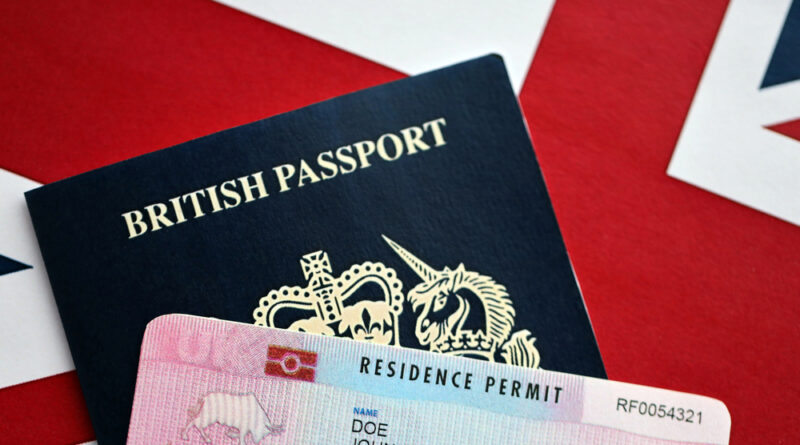
Digital ID Cards Could Streamline Life, But at What Cost to Trust?
Keir Starmer’s announcement of a mandatory digital ID system marks one of the most divisive proposals in recent British politics. Supporters see it as a long-overdue step toward modernising public services, while critics warn it risks eroding civil liberties, fuelling surveillance, and centralising unprecedented amounts of personal data.
The debate is not abstract. It cuts across real lives, raising questions of privacy, accessibility, security, and the fragile trust between citizens and the state.
A Question of Trust
Skepticism dominates many responses. For some, the plan feels like a mandate imposed without proper consent. As one Londoner put it, the fear is that digital IDs could “evolve into a form of mass surveillance,” turning routine transactions into state-controlled checkpoints. The shadow of misuse lingers, especially in a political climate where faith in institutions is thin.
Others warn of technical vulnerability. “A hacker’s dream,” is how an IT consultant from Oxford described the centralised nature of such a scheme. In an age where cyberattacks are not hypothetical but weekly headlines, consolidating millions of identities in one database seems reckless to some.
Even those steeped in the industry doubt the government’s capacity to deliver. A software developer put it bluntly: “The odds the UK government pulls this off without scandal? About 0%.” Past fiascos with public IT systems suggest this cynicism is not misplaced.
The Case for Convenience
Yet the case for digital IDs is not without merit. For those navigating the fractured world of state and service providers, a single digital proof of identity offers salvation. One Londoner recalled the bureaucratic nightmare of caring for his mother after she lost capacity. Endless repetitions of proof, endless delays. A streamlined ID, he argued, could have spared him months of struggle.
There is also a pragmatic note from healthcare professionals. A Hampshire GP pointed out that Britons are already casual with data, handing it to private companies with far weaker safeguards than the state can provide. Why resist a system that could unify health, tax, and welfare access more efficiently?
And for those with European experience, the argument is simple: most EU nations already operate with digital ID systems, and citizens adapt. A Franco-British dual national described his French ID as “practical, useful and secure,” allowing access to services and even acting as a passport within the Schengen zone.
Exclusion and Overreach
But the sharpest objections highlight who could be left behind. One self-employed worker in Glossop fears being “frozen out of society” by the creeping assumption that everyone owns a smartphone. For those who reject or cannot afford constant digital engagement, a mandatory ID risks compounding exclusion.
Immigrants, too, see redundancy. A Mexican-born resident noted that newcomers already provide biometric and visa evidence to prove their right to live and work. Another layer of digital bureaucracy may simply add friction rather than reduce it.
Between Pragmatism and Paranoia
The truth is that digital IDs embody both opportunity and peril. They could make state services less Kafkaesque, but they also risk concentrating too much power and information in one vulnerable place. A government already struggling to convince the public of its competence may find resistance more about trust than technology.
Starmer’s digital ID may yet become the emblem of a modernised Britain. Or it could join the graveyard of failed IT projects, remembered only as another “hacker’s dream.” The success of such a scheme will rest less on the technology itself and more on the safeguards, transparency, and humility with which it is introduced.
Without those, Britons will see not efficiency, but overreach.
Photo Credit: DepositPhotos.com