
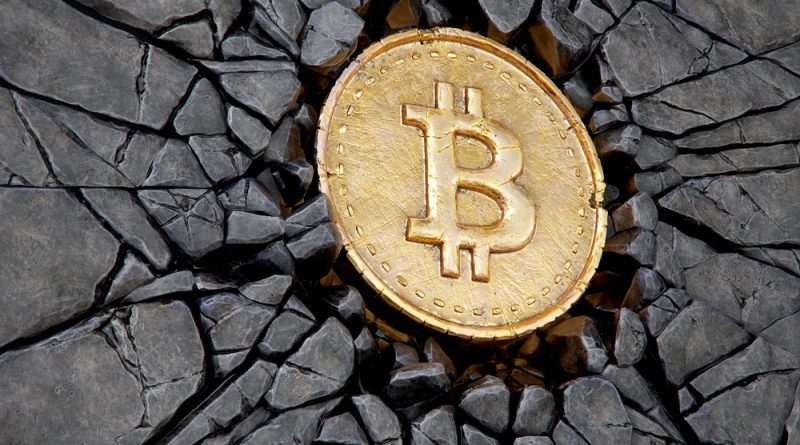
Bitcoin’s 2026 Crisis Shows the Myth Has Finally Caught Up With the Market
Bitcoin is staggering into 2026 under the weight of problems that can no longer be dismissed as temporary noise. What we are witnessing is not just a routine correction or another round of volatility. This is the collision of long-ignored structural flaws, overblown narratives, and the uncomfortable realisation that the cryptocurrency has been coasting on faith rather than fundamentals.
For years, Bitcoin’s defenders insisted the token was immune to the risks that plague traditional finance. Now those same risks, amplified by Bitcoin’s design and culture, may be the very forces that drag it into one of its most precarious periods yet.
Quantum Computing Is No Longer a Distant Threat
For most of Bitcoin’s existence, the idea that quantum computing could break its underlying cryptography was treated like a sci-fi talking point. Yet the rapid acceleration in quantum research throughout 2025 means the threat is no longer hypothetical. Analysts now suggest that a meaningful portion of Bitcoin’s supply could soon be exposed to theft if quantum breakthroughs arrive sooner than expected.
If that happens, the consequences would be catastrophic. A single high-profile quantum theft could shatter confidence in blockchain security overnight. And unlike a banking breach, there is no central institution to unwind the damage or restore stolen funds. Bitcoin has no lender of last resort.
The technology once imagined as the ultimate defence may become its undoing.
Leverage Is Bitcoin’s Silent Time Bomb
While quantum headlines capture attention, the more immediate danger comes from leverage. Borrowing against Bitcoin has ballooned into a multi-pronged system of fragility, involving:
• retail traders convinced the price “only goes up”
• whales pledging tokens as collateral to avoid capital gains
• corporations raising billions to accumulate Bitcoin, treating it like a leveraged casino bet
This creates a self-reinforcing spiral. When the price drops, leveraged traders get liquidated, selling intensifies, the price slides further, whales face margin calls, and forced sales cascade through the market. The most recent downturn saw an estimated $1 billion in leveraged positions wiped out in a single day.
We have seen this movie before. Leverage broke Wall Street in 2008. It is now poised to break Bitcoin for the same reasons: overconfidence, poor risk controls, and the belief that past gains guarantee future returns.
The “Digital Gold” Narrative Has Crumbled
Perhaps the most damaging shift of all is psychological. Bitcoin has failed its own marketing.
If Bitcoin were truly a hedge against money printing, it would have rallied alongside gold in 2025. Instead, gold soared more than 40 per cent, while Bitcoin fell double digits. The contrast could not be clearer.
Investors who once embraced Bitcoin as the future of value preservation are quietly rotating back to physical assets with real track records. The digital-gold comparison, once powerful and persuasive, now rings hollow.
The market has realised what critics have said for years: a volatile, speculative asset cannot serve as a stable store of value.
Politics Boosted Bitcoin in 2025 — and Then Reality Arrived
Bitcoin’s run to a record high of $US125,000 in early 2025 was fuelled as much by political enthusiasm as by market fundamentals. But when policy failed to deliver the sweeping pro-crypto revolution some imagined, Bitcoin slipped back into its familiar pattern: hype followed by disappointment.
2026 offers no clear catalyst to replace last year’s sugar hit.
The Path Ahead Looks Harsh
Some analysts suggest Bitcoin could fall to around $US60,000 — a level where technical support might emerge — but that is hardly reassuring. The fundamental issues remain unresolved:
• quantum risks
• excessive leverage
• diminished narratives
• waning institutional enthusiasm
• rising appeal of safer alternatives
Bitcoin may well survive 2026. It may even thrive again, as it has in the past. But the mythology surrounding it has been weakened. What remains is an asset still searching for a purpose beyond speculation.
In the meantime, investors would be wise to treat the next 12 months not as a buying opportunity, but as a wake-up call. Bitcoin is finally confronting the consequences of the stories it has told about itself.
Photo Credit: DepositPhotos.com