
EV Owners Warned Over AI-Enabled Charger Risks
Australian electric vehicle owners are being warned to take care when using smart charging technology, amid concerns that some artificial intelligence-enabled systems could bypass built-in vehicle safety protections.
The warning centres on vehicle-to-grid charging, known as V2G, which allows compatible electric vehicles to send stored power from their batteries back to the electricity grid. The technology has been promoted as a way for EV owners to reduce household energy costs, support the grid during peak demand and potentially earn money by exporting electricity when prices are high.
However, industry experts have raised concerns that some charging devices may be operating outside manufacturer-approved systems. Scott Nargar, Hyundai Australia’s senior manager of future mobility and government relations, has warned that some chargers using AI-enhanced software may be capable of pushing past vehicle safety systems designed to protect EV batteries and charging infrastructure.
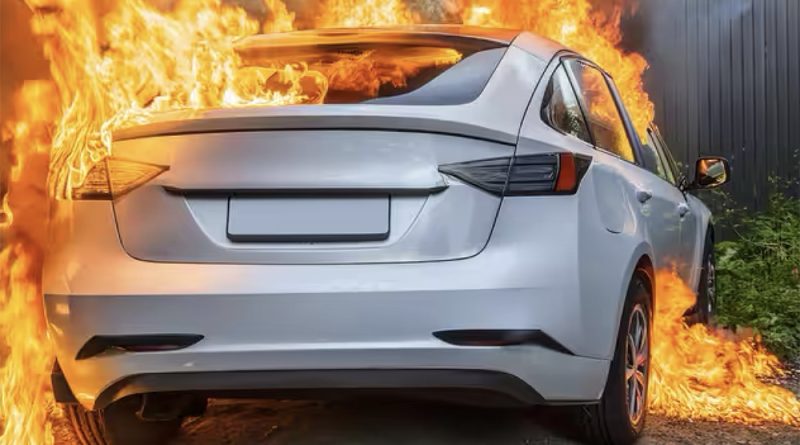
The concern is that some owners may be tempted to use cheaper or unauthorised devices to access V2G functions, even when their vehicle was not designed or approved for that use. While the technology itself has significant potential, improper use could expose drivers to serious risks, including battery damage, charging faults, fire hazards, voided vehicle warranties and complications with home insurance.
V2G operates in a similar way to household solar export arrangements, where energy can be fed back into the grid. In the case of an EV, the car’s battery becomes a mobile energy storage system. When used with approved vehicles, compatible chargers and the correct network permissions, the technology can help smooth demand on the electricity grid and allow households to make better use of stored renewable energy.
The risk emerges when chargers attempt to unlock those capabilities in vehicles that do not officially support them, or when systems modify or bypass the normal communication between the car, charger and grid. EV batteries rely on complex management systems that regulate temperature, charging rates, discharging limits and safety cut-offs. Interfering with those systems could place stress on the battery or prevent the vehicle from responding correctly to unsafe conditions.
The rapid growth of AI-powered consumer technology has added another layer of concern. While AI can improve energy management by predicting usage patterns and optimising charge times, it may also be used in low-quality or unapproved systems to override restrictions that exist for safety reasons.
The warning comes as Australia continues to prepare for broader uptake of bidirectional charging. Government and energy sector guidance has consistently highlighted the need for drivers to confirm that their EV, charger and installation are compatible before using V2G or other vehicle-to-everything features.
The issue is particularly significant because V2G is still emerging in Australia. While the potential benefits are substantial, only a limited number of vehicles and chargers currently have confirmed manufacturer support for bidirectional use. Network approval and correct installation are also essential.
For EV owners, the message is clear. Vehicle-to-grid charging should only be used with equipment approved by the vehicle manufacturer, installed by qualified professionals and compliant with local network requirements. Drivers should also check their vehicle warranty, battery warranty and home insurance policy before using any system that draws power from their EV for household or grid export.
As more households look for ways to reduce energy bills and make better use of renewable power, V2G is likely to become an increasingly important part of Australia’s energy future. But experts warn that cutting corners with unapproved AI-enabled charging technology could turn a money-saving opportunity into a costly and dangerous mistake.