
Europe’s Airport Cyberattack Highlights Fragility of Centralised Systems
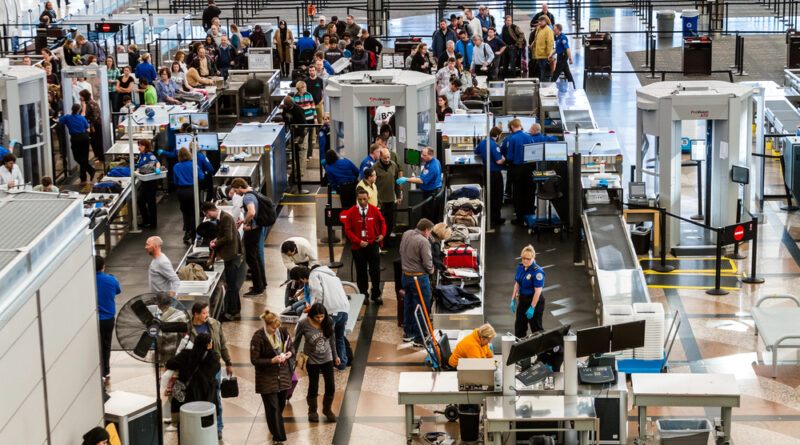
Travellers across Europe faced chaos over the weekend after a cyberattack crippled key airport systems, forcing manual check-ins, long queues, and widespread cancellations. The disruption, centred on Collins Aerospace’s MUSE software, underscored how dependent airlines and airports are on a handful of technology providers — and how devastating a single failure can be.
A Familiar Crisis Pattern
The incident, which hit major hubs including Heathrow and Berlin, was confirmed as a “cyber-related disruption” by Charlotte, NC-based Collins Aerospace. At the time of writing, the European Union Agency for Cybersecurity (ENISA) identified the event as a ransomware attack. According to internal memos cited by BBC News, attempts to relaunch systems failed after hackers remained active inside the network.
This echoes the 2023 CrowdStrike debacle, where a faulty software update crashed millions of devices worldwide, halting banks, airlines, and emergency services at an estimated cost of billions. More recently, Alaska Airlines and Heathrow have suffered their own outages, whether from cyber incidents or infrastructure failures like the March substation fire that grounded 1,300 flights.
Why Aviation Is a Prime Target
Cybercriminal groups see aviation as fertile ground. The hacking collective known as “Scattered Spider” has been tied to a wave of attacks on the sector. A report by Thales in June highlighted a staggering 600% rise in ransomware attacks on aviation in just one year. The logic is simple: the bigger the disruption, the higher the ransom demands. As cybersecurity expert Gavin Millard noted, “It’s like kidnapping.”
Beyond Airports: A Supply Chain Weakness
The attack highlights a systemic issue. Industries worldwide are vulnerable because so many rely on a narrow set of third-party providers. CrowdStrike’s reliance on Microsoft Windows exposed that fragility in cloud computing, where just three companies — Microsoft, Amazon, and Google — dominate. Similarly, the aviation sector depends heavily on a small pool of vendors for passenger processing systems.
When these providers falter, the ripple effect is immediate and global. British retailer Marks & Spencer’s £300 million loss following a ransomware attack earlier this year shows how quickly operational disruption can translate into financial pain.
Regulation and Response Plans
The latest disruption comes as Europe prepares to enforce its new NIS2 directive, which mandates stronger cybersecurity standards and requires companies to report major incidents within 24 hours. For airlines, this is a push to invest not just in defence but also in resilience.
Experts argue that diversification of vendors, though costly, may be worth the investment if it reduces the risk of system-wide collapse. Equally important is a robust response plan, given that hackers are now leveraging generative AI to spread phishing campaigns more effectively.
Crisis Management or Long-Term Change?
The central question is whether industries like aviation will act to build resilience or continue to respond reactively when the next disruption arrives. For now, the odds seem tilted toward short-term crisis management. Yet with ransomware accelerating and the stakes rising, businesses that treat resilience as optional may find themselves facing not just inconvenience, but existential risk.
Photo Credit: DepositPhotos.com